


Dance Stance
This variation of your massage stance can reduce discomfort, help conserve strength, and use your movement and body weight most efficiently during a session.
What makes a massage technique advanced? If you observe some of our most experienced, well-respected, expert instructors in the field, who are known for their therapeutic effectiveness with soft-tissue manipulation, you will find they are still performing foundational skills. Then, what makes these practitioners/instructors advanced?
I propose it is their ability to discern which foundational techniques to apply and how to apply them with great precision and purpose. This comes from a lot of practice with a variety of clients with individual needs, tuning into what makes tissue change, and noting the outcomes.
I have observed—as a client, instructor, and instructor trainer—an attempt to advance basic massage techniques with the addition of flair rather than through development of precision and purpose. Don't get me wrong. I'm all for creativity! Yet, when a student says, "Hey, check out this new move I made up," I always say, "Cool! So what is the purpose of that stroke? What is its therapeutic value?"
Performing a stroke without intent will hold back your advancement as a therapist. It might look cool or feel different, but it's important to ask yourself if it is serving a purpose that will benefit your client.
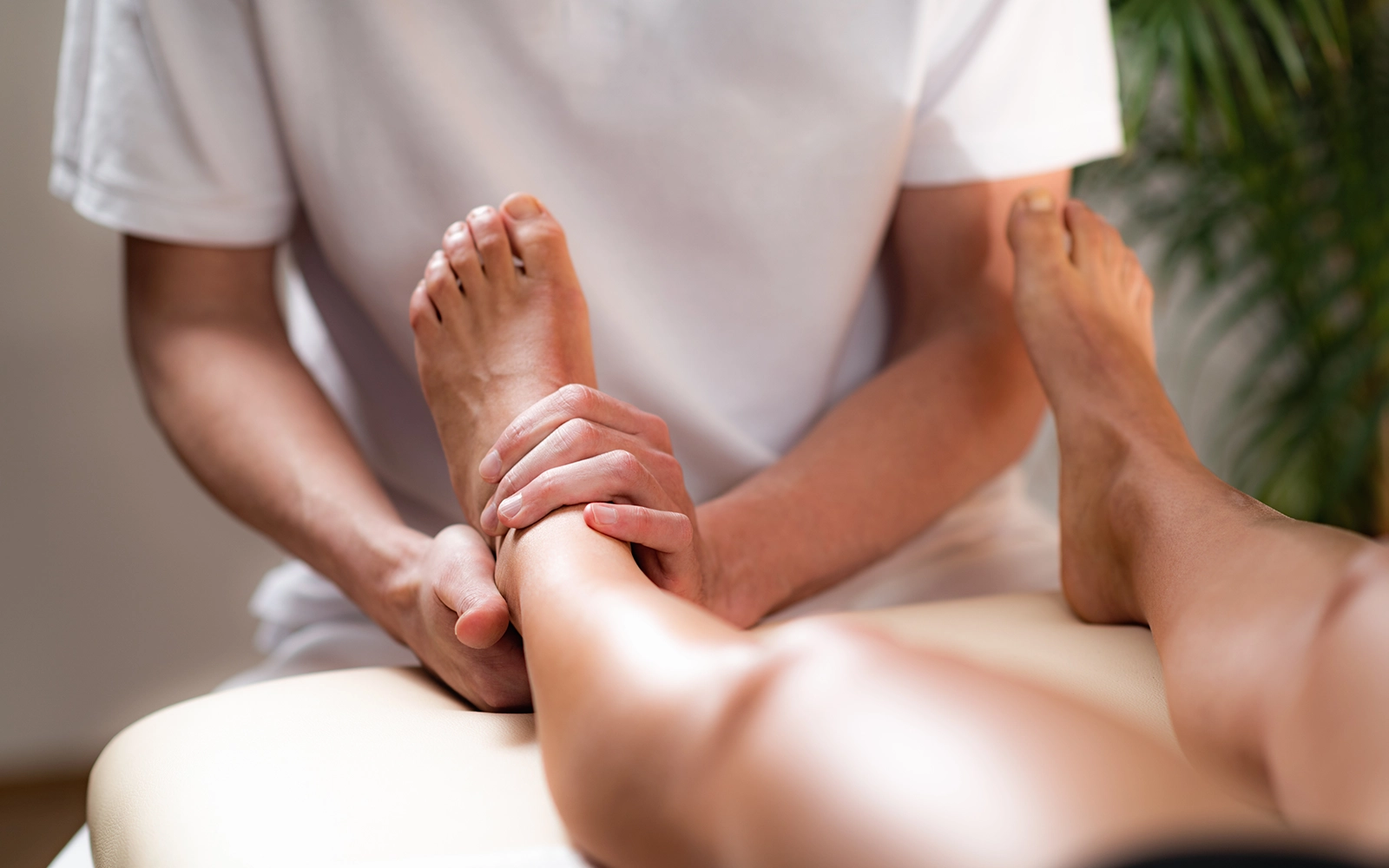
Generally speaking, in-depth training of the effects of foundational massage strokes is a relatively new component of many massage trainings. There is also evolving terminology when describing these techniques. Following is an overview and refresher of foundational techniques using modern and traditional terminology, the effects of each, and how they can be purposefully used.
Definition: A long, gliding stroke usually applied toward the heart.
Effects and Uses:
Also known as (AKA):
Definition: A rhythmic stroke that lifts the muscle off the bone and compresses it between the fingers.
Effects and Uses:
AKA:
Definition: A heat-producing chafing or rubbing stroke.
Effects and Uses:
Variations:
AKA: Shearing
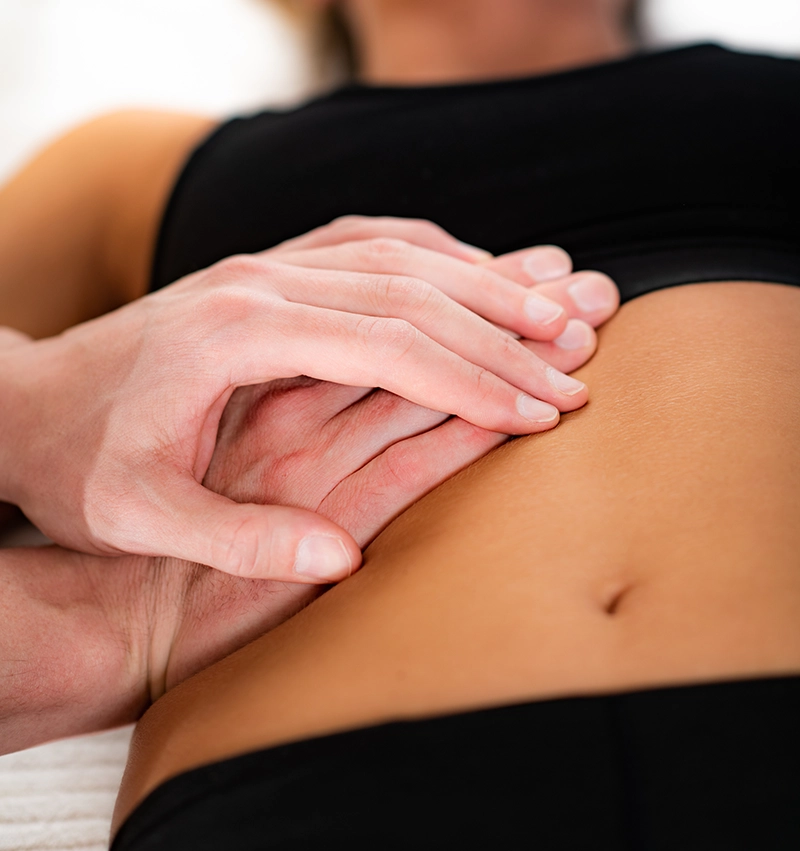
Definition: When two or more structures are pushed together.
Effects and Uses:
Definition: A pulsating, tremor-like or oscillating stroke
Effects and Uses:
AKA:
Definition: Moving a joint through its available range (i.e., flexion, extension, adduction, abduction, rotation, etc.) either passively, actively, or against resistance.
Effects and Uses:
Many therapists tend to have their own natural pace. A student recently commented that one instructor leans toward a slower pace, while another instructor naturally applies massage techniques with a faster pace. I questioned my instructors (simply out of curiosity and experiment). Both independently noted that their pace "matches their personality" and is "what they prefer to receive."
The most advanced practitioner has the ability and awareness to apply techniques at varied paces within the massage session depending on what the tissue needs. Does it need to be calmed? Does it need stimulation? Does it need strengthening? Does it need release? Pace is best chosen based on a client-centered experience rather than therapist personality.
This is a general guideline intended to pique your interest in advancing your basic skills. When knowledge of the purpose of the foundational strokes, rather than just how to perform them, is thoroughly taught, absorbed, understood, and applied—with consistent practice and noting of change—perhaps we will come to find the foundational strokes we learned in school possess the exact therapeutic effects needed, and extra flair isn't necessary to meet the goal. Keep it simple and opt to make your work advanced with precision and purpose.
This variation of your massage stance can reduce discomfort, help conserve strength, and use your movement and body weight most efficiently during a session.
Caring for elderly clients requires the massage therapist to have a keen awareness, not only of the characteristics unique to the client but also of the various members of the client’s care team.
Changing muscle memory habits as they relate to mobility and movement can be hard. Luckily, you are there to help clients along so they aren’t forging a new path alone.
While tension-reducing techniques can help when issues arise from forward-head posture, addressing joint restrictions through manual therapy can prove more significant.